
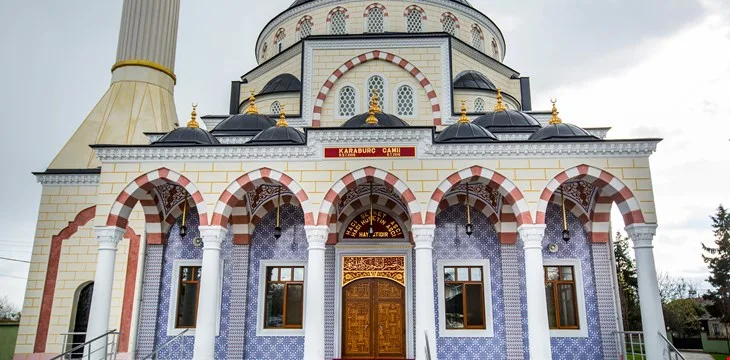
Turnkey Mosque Constructioninvolves more than completing the structural work: architectural decisions, teams, interior details and exterior elements are coordinated in a single sequence. A thorough initial site survey reduces delays and incompatible work later in the project.
The first step in turnkey mosque construction: site survey and requirements program
The land conditions, capacity, intensity of use and environmental conditions of the mosque should be evaluated together in the same project. Therefore, the right start is to measure and determine needs in the field. Worship area, entrances, mahfil, ablution fountain, minaret, dome and technical volumes are considered as interconnected decisions at the project stage.
at Camii Yapı Mosque Construction and Turnkey Mosque Construction pages form the main service backbone of this holistic approach. The purpose of the blog content is to provide an explanatory path that takes the user directly to the relevant service.
Why is it important that the project and field application proceed in the same line?
A detail that looks correct in the architectural drawing may require a new solution in practice due to material thickness, carrier system, installation transition or field tolerance. For this reason, it is healthier to have a process in which decisions can be verified in the field, rather than the project team and the implementation team working in isolation from each other.
Especially mosque dome construction, Minaret Construction When mosque interior applications are planned together with the main structure, the need for subsequent breaking, dismantling or adaptation is reduced.
How should the application order be established?
After the rough structure is completed, instead of starting each job at the same time, the order of the productions affecting each other should be determined. For example, dome infrastructure, coating detail and interior surface applications are different layers of the same geometry. Similarly, the supporting solution, covering, cone and finial details of the minaret should be considered as a whole.
- Field verification of measurements and elevations
- Finalizing material and color decisions with samples
- Sequencing overlapping work items
- Interim checks and final check before delivery
When should interior and architectural details be planned?
decorative painting, calligraphy, muqarnas, windows, chandeliers and accessory applications are the elements that determine the character of the mosque. Instead of treating these details as "decor added to the empty space" at the last stage, planning them early as a part of the architectural composition gives a more balanced result. mosque muralists, mosque muqarnas and mosque chandeliers application pages indicate that these details are separate areas of expertise.
What checks are made during the delivery phase?
Delivery is not just the completion of the construction site. Surface defects, water intake risk, joint details, door-window operation, electricity and lighting, access areas and visual integrity should be reviewed together. Recording and closing deficiencies is important for the sustainability of the work done.
Frequently asked questions about: Turnkey Mosque
What does turnkey mosque construction include?
Scope varies by project; Survey, project design, rough structure, finishing works, dome and minaret applications, interior details and delivery controls can be carried out under a single plan.
Why is a site survey necessary in mosque construction?
Land, size, existing structure, capacity and site conditions directly affect the project. It ensures that site survey, proposal and application decisions are based on real field data.
Can the dome and minaret be built by separate teams?
It can be done; However, dimensions, details and work schedule must be coordinated with the main project. Single team coordination reduces the risk of non-compliance.
Clarify the right application for your mosque in the field
New construction, You can evaluate the site survey, project and application steps with a single team approach in case of restoration, renovation or special manufacturing needs.